How Technology Can Help You Connect with Nature

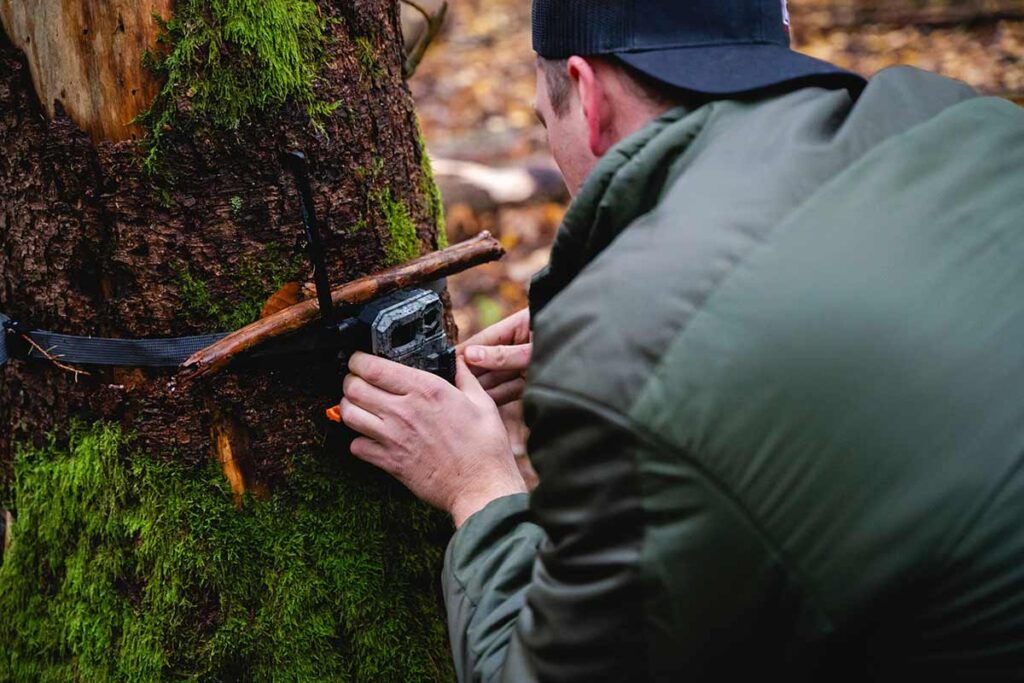
Person setting up trail camera

Technology is becoming an increasingly valuable tool for community groups, volunteers and gardeners looking to learn more about the wildlife around them. Whether you’re managing a community garden, supporting a Green Gym project or simply enjoying your local green space, digital tools can help you identify species, record observations and contribute to conservation efforts.
Citizen science platforms allow anyone to help build a better picture of the UK’s biodiversity. By recording wildlife sightings and sharing them with local and national databases, volunteers can make a real contribution to understanding and protecting nature.

TCV are building a sector-leading view of tree coverage across the UK by mapping technology against their existing, hugely successful I Dig Trees programme. Community groups who have taken part share their planting location and report on the health of their trees over time. This precise information is transforming what we know about the impact of tree planting for people and nature.  

When you’re not planting trees, there are many other ways to be a citizen scientist! 

Useful Apps for Wildlife Enthusiasts

  • iNaturalist – Record wildlife sightings, identify species and contribute to global biodiversity records.
  • iRecord – A UK-focused platform that enables users to submit wildlife records that can support conservation and research.
  • Merlin Bird ID – Identify birds by appearance, song or call using AI-powered technology.
  • PlantNet – Identify wildflowers, trees and other plants from a photograph.
  • Seek – A beginner-friendly species identification app that encourages exploration and learning outdoors.
  • iSpot – Upload photos and get help identifying species from a community of experts and nature enthusiasts.
Using apps can be a great way to identify wildlife – from birds to wildflowers and trees

Other Ways Technology Can Support Nature

  • Use camera traps to discover nocturnal visitors such as hedgehogs, badgers and foxes.
  • Record birdsong and bat calls to help monitor wildlife activity in your area.
  • Track changes in habitats and species over time to measure the impact of conservation activities.
  • Engage volunteers in biodiversity surveys and citizen science projects.

Technology will never replace the value of spending time outdoors, but it can help us better understand the natural world and the difference our conservation efforts are making. Every wildlife record, photograph and observation contributes to a bigger picture – helping communities play an active role in protecting nature for future generations.

Want to discover more?

For more inspiration on supporting biodiversity and creating thriving community spaces, take a look at how allotments can make a difference for people, wildlife and the environment in Zurich’s guide to supporting biodiversity at your allotment.

Scroll to Top