

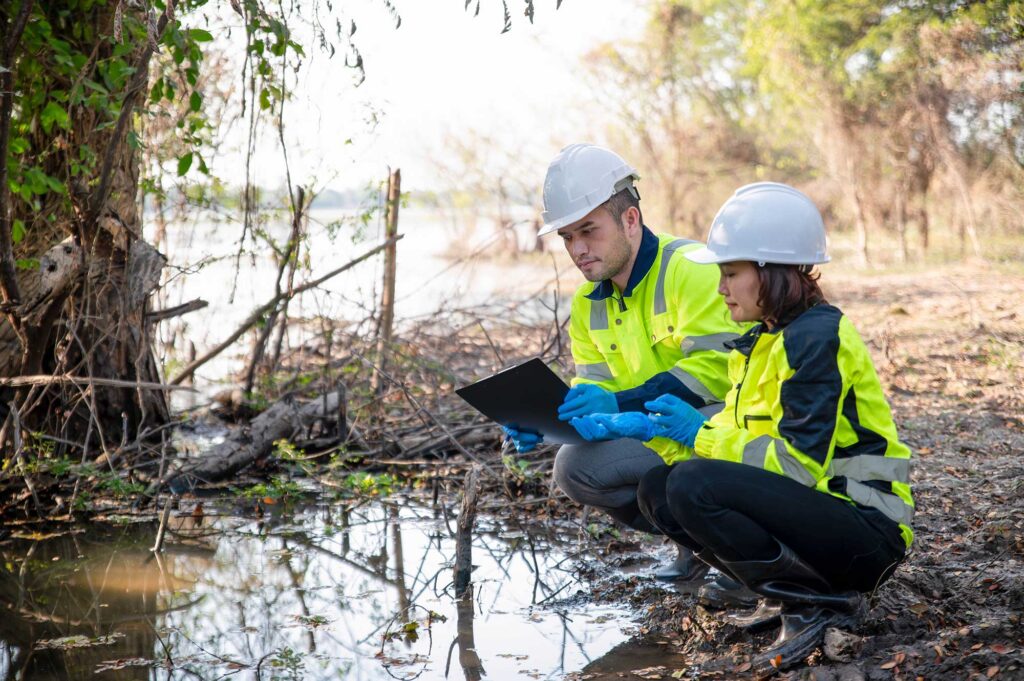
Taking a proactive approach now can help reduce disruption, protect volunteers and safeguard the places we all work so hard to care for. Here are five key risk checks worth reviewing before winter arrives.
1. Check Trees Before Storm Season Arrives
Trees are one of our greatest environmental assets. They support biodiversity, improve wellbeing and play an important role in tackling climate change. However, changing weather patterns can increase the likelihood of tree-related risks to people, property and neighbouring infrastructure. As the Environment Agency has observed, “we are living in a less predictable and less benign climate”, reinforcing the importance of regular inspections and proactive tree management as the seasons change.
Conservation groups should consider carrying out the following checks:
- Inspect trees near footpaths, entrances, roads, buildings and volunteer work areas, where the consequences of failure are greatest.
- Look for obvious signs of damage, disease or decay, including deadwood, hanging branches, cracks and root disturbance.
- Prioritise inspections in higher-risk locations rather than treating every tree the same. Trees in busy public areas may require more frequent assessment than those in remote woodland.
- Keep records of inspections and any actions taken, as good record-keeping is an important part of demonstrating responsible management.
- Ensure there is a clear process for volunteers, staff and visitors to report concerns about damaged or unsafe trees.
- Review emergency arrangements for severe weather, including access to qualified arborists if urgent work is needed following storms.
If damage, decay or hazards posed by trees are identified, it is important that any work needed is conducted by a specialist such as a tree surgeon or arboriculturist with the appropriate qualifications and insurance in place.
Remember, the land owner, under the Occupiers’ Liability Act 1957 is ultimately responsible for ensuring the land is safe.
2. Understand Your Flood Risk
Flooding is becoming an increasingly significant challenge across the UK, with climate change contributing to more frequent and severe weather events. Approximately, 6.3 million properties in England are at risk of flooding from various sources including rivers, the sea and, most prominently, surface water (The National Flood Risk Assessment, 2026).
For conservation groups, flood impacts can extend beyond buildings to include access routes, storage areas, community facilities and habitat management projects and the following considerations should be taken into consideration when risk assessing your site:
- Identify areas prone to flooding: Reviewing flood maps, assessing previous flood events and identifying vulnerable assets can help groups prioritise their planning efforts.
- Sign up to alerts: Sign up to available flood warning and weather alert services. Early warning can provide valuable time to move equipment, protect assets and adjust planned volunteer activities.
- Take preventative action: Small measures can make a huge impact including keeping drainage routes clear, regularly checking culverts and ditches, protecting important documents and equipment.
- Flood response plan: If flooding does occur, it’s important that there is a plan in place to prevent panic and minimise risk to yourself, your assets and your volunteers. Keep an emergency pack with key contacts, site maps, first aid supplies and important documents, and ensure any flood protection measures, such as barriers, sandbags or pumps, can be deployed quickly when needed.
3. Keep Volunteers Safe as Conditions Change
Volunteers are at the heart of conservation activity, making their safety a priority throughout the autumn and winter months.
Foreseeable seasonal hazards such as slippery surfaces from wet leaves, mud and ice as well limited daylight hours all present to a greater risk to conservation groups with activities being outside. Before each session, groups should:
- Consider the likely weather conditions and whether planned activities remain appropriate. Heavy rain, strong winds, icy surfaces or poor visibility can increase risks for volunteers, particularly during activities involving tools, working near trees, watersides or on uneven ground. Be prepared to modify, postpone or cancel activities if conditions deteriorate, and ensure risk assessments are updated to reflect seasonal hazards and any weather-related changes to the site.
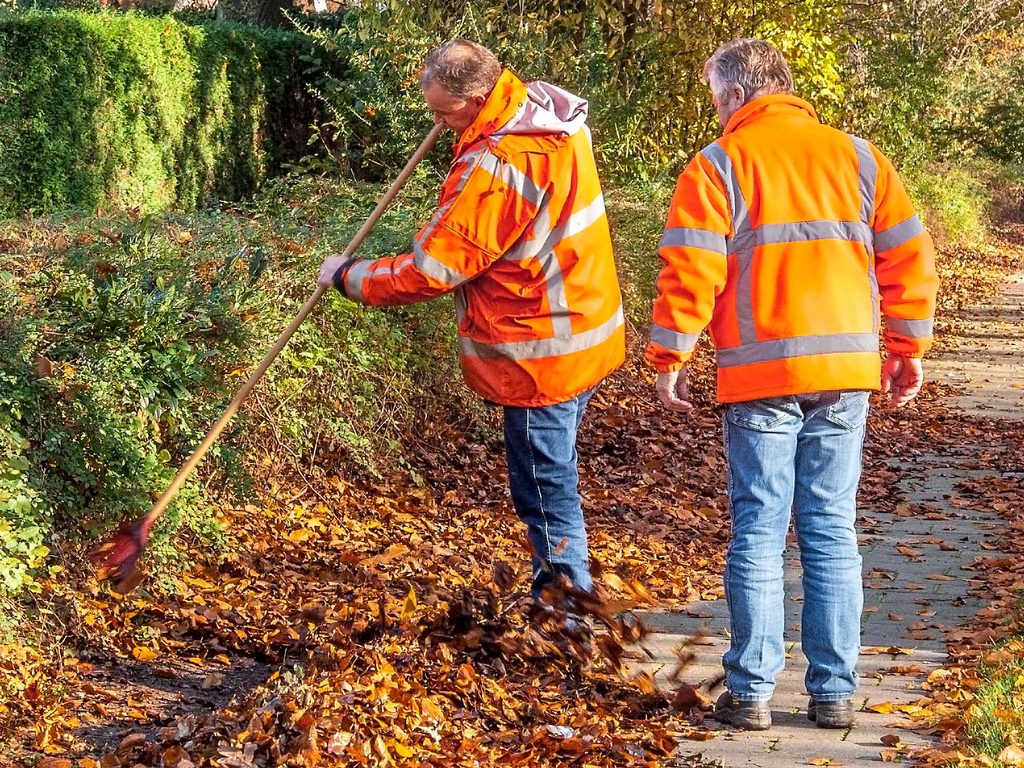
- Ensure access routes, entrance, paths and gathering areas are safe fit for use. These areas should be risk assessed prior to use and preventative measures such as clearing leaves, gritting or ensuring they are well lit are important before tasks begin.
- Hold a safety briefing before each session to ensure volunteers are aware of site-specific hazards, changing weather conditions and emergency procedures. Consider a buddy system or minimum pair working arrangement for activities in remote or isolated areas, and ensure volunteers have access to essential information such as emergency contact numbers and meeting points.
- Make sure volunteers are wearing suitable clothing and footwear for the conditions, including waterproofs, sturdy footwear and high-visibility clothing where appropriate. For activities taking place during shorter daylight hours, consider whether additional equipment such as torches, charged mobile phones or radios may be needed to carry out work safely.
4. Inspect Infrastructure and Equipment
Autumn provides an ideal opportunity to carry out maintenance checks before winter weather places additional strain on facilities and equipment. When reviewing your site, consider the following:
- Inspect site infrastructure: Check fences, gates, bridges, boardwalks, storage sheds, hides and signage for signs of wear, deterioration or damage that could worsen during winter weather. Pay particular attention to structures located in exposed areas or close to watercourses.
- Clear drains and gutters: Fallen leaves and debris can quickly block drainage systems, increasing the risk of standing water, flooding and damage to buildings or access routes. Regularly inspect and clear gutters, drains, ditches and culverts to ensure water can drain effectively.
- Secure tools and equipment: Review how tools, machinery and other outdoor equipment are stored. Equipment that could be damaged by heavy rainfall or become a hazard during strong winds should be secured and stored appropriately when not in use.
- Prepare for severe weather: Identify assets that may be vulnerable during storms and establish procedures for protecting or relocating them when severe weather warnings are issued. This may include signage, temporary structures, volunteer equipment or materials for habitat management projects.
- Plan preventative maintenance: Small repairs completed before winter can prevent more significant issues developing later in the season. Addressing minor defects early can help avoid costly repairs, reduce disruption to volunteer activities and keep sites safe and accessible throughout the colder months.
5. Review Your Resilience Plan
No organisation can completely eliminate risk, but good planning can make recovery quicker and easier when disruption occurs.
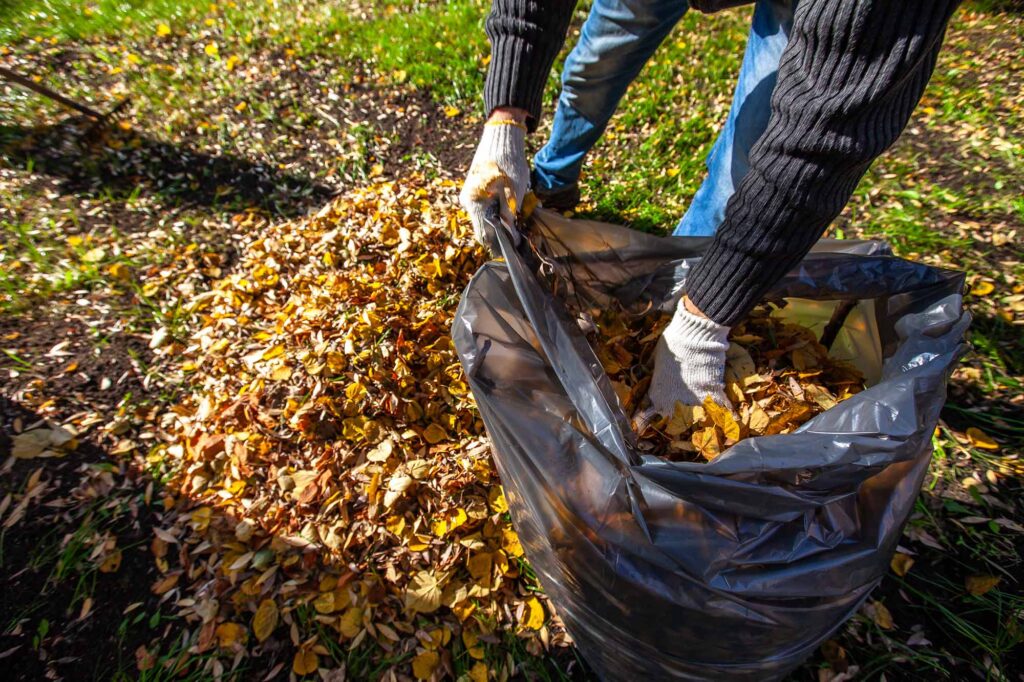
Autumn is a good time to review emergency contacts, roles and responsibilities, communication arrangements and contingency plans. Consider what would happen if severe weather forced the cancellation of volunteer sessions, damaged a facility or restricted access to a site.
Simple questions can help strengthen resilience:
- Do key volunteers know what to do during severe weather?
- Are emergency contact details still up to date?
- Is critical equipment adequately protected?
- Would activities continue if a key volunteer or location became unavailable?
Having clear plans in place allows organisations to respond with confidence and minimise disruption when unexpected events occur.
Small Actions, Big Difference
Autumn preparation doesn’t need to be complicated. A few simple checks carried out now can help conservation groups protect volunteers, reduce damage to valuable assets and keep important community projects running throughout the winter months.
By taking a proactive approach to tree safety, flood preparedness, volunteer welfare and organisational resilience, groups can focus on what matters most: caring for the green spaces and communities that depend on them.