

After England’s hottest June on record, and the UK’s second warmest June since records began, the Met Office confirmed temperatures reached 37.7°C on 26th June, breaking the previous June high on three separate days, water companies across England have been switching on hosepipe bans one after another. By mid-July, multiple firms had declared formal restrictions, according to Water UK FAQ’s: Southern Water, South East Water, Anglian Water, Cambridge Water, Affinity Water and South West Water, together covering tens of millions of customers from Hampshire to East Anglia.
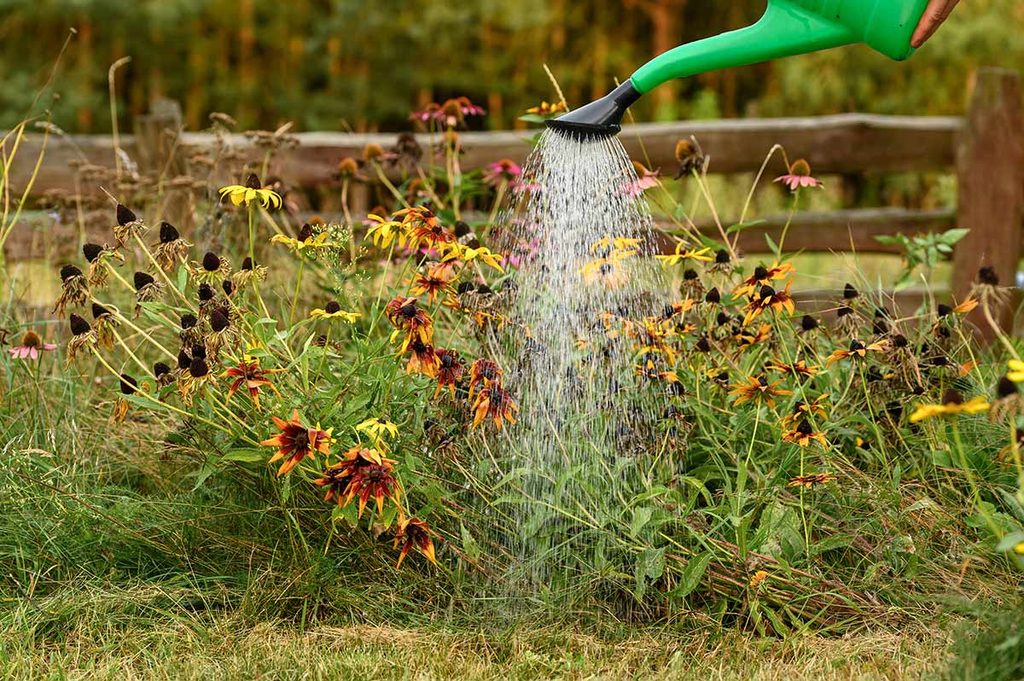
A hosepipe ban, in practice, is fairly narrow: no hosepipes for watering the garden, washing the car, cleaning the patio or filling a paddling pool. Watering cans remain fair game, which is exactly the point water companies are making. Breach it and you risk a fine of up to £1,000, though enforcement tends to rely more on unneighborly disapproval than police visits.
Not just a summer blip
What’s notable this year is how many gardening and conservation organisations are treating this as the new normal rather than a one-off. The Royal Horticultural Society, which manages five major gardens including Wisley and Harlow Carr, announced in January that 2026 would see more investment in water capture than any other area of its work, a direct response to last year’s severe droughts. RHS director of horticulture Tim Upson put it plainly: “the UK’s 34 million gardeners, are having to adapt to the new normal; prioritising collection, storage and management of rainwater as well as relocating and reassessing our collections to future-proof them”. Meaning we can’t assume the tap will always be an option to use.
That shift in mindset is trickling down to allotments, community gardens and volunteer groups too, and it’s worth understanding, because the solutions on offer are more varied than simply “buy a water butt.”
Rainwater: the obvious first step
The RHS’s own advice is a good starting point. A modest garden shed roof, they note, can collect 2,500 to 3,500 litres of rainwater a year in the drier south-east. The setup is simple: a downpipe diverter, a debris filter, and a butt raised on a stand so a watering can fits beneath the tap. Linking several slimline butts together multiplies the storage without eating up much space, which matters for community plots where every square meter is already spoken for.
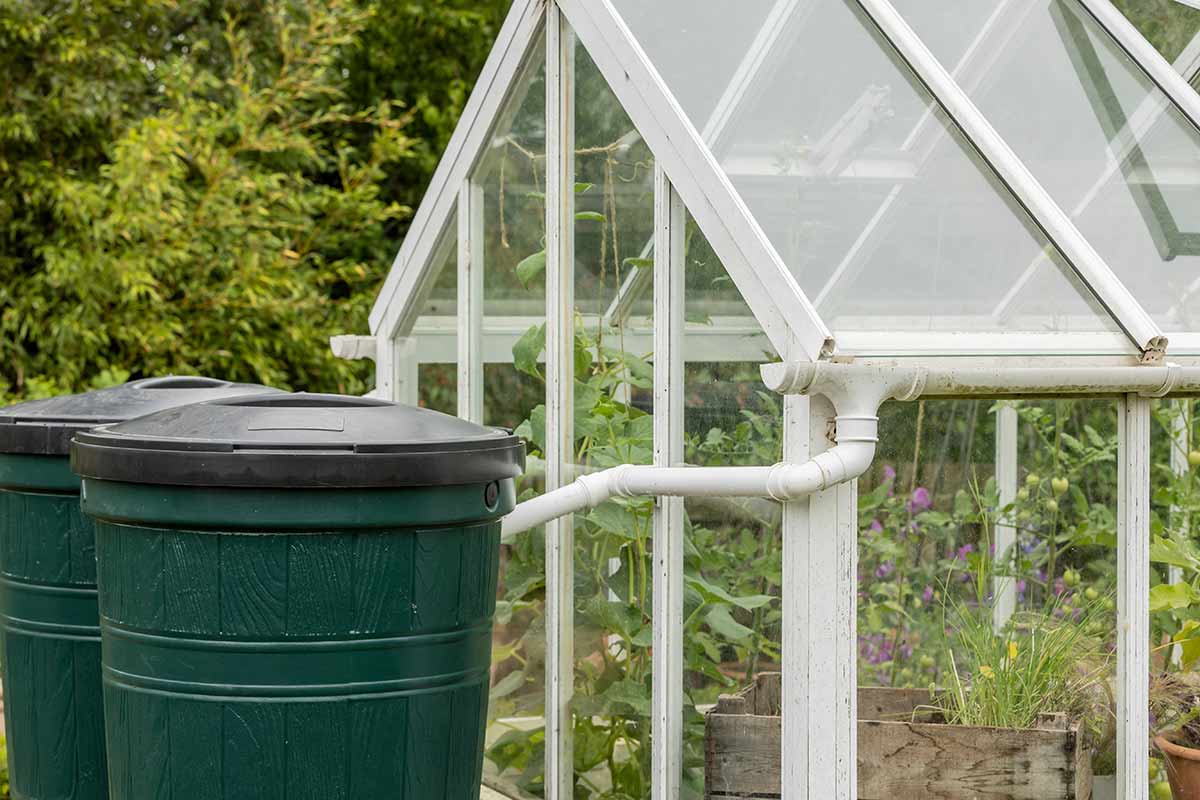
Some councils are going further. In Maidstone, the borough council partnered with a local retailer to hand out 555 free water butts to households identified as most vulnerable to flooding and drought, using flood-risk mapping to target the offer.
Greywater and community effort
Beyond rainwater, many households and allotment groups are turning to greywater — the relatively clean wastewater from baths, showers and washing machines. It’s not suitable for edible crops, but it works well on ornamental beds, shrubs and lawns, provided a low-phosphate detergent is used. The Centre for Alternative Technology cautions that elaborate greywater systems can be expensive and aren’t always worth it environmentally; for most gardeners, the simplest option, diverting a washing up bowl or bath water straight onto the borders, remains the most practical.
In addition to installing water butts there are additional measures that Community Groups can take. Volunteer projects increasingly include rain gardens, soil improvement activities, wetland restoration and small scale natural flood management measures such as leaky dams. These approaches help slow water runoff, improve groundwater recharge and increase the amount of rainfall retained within local landscapes, creating benefits for both drought resilience and biodiversity
A practical, unglamorous answer
None of this is dramatic. It’s watering cans, mulch, and a few extra water butts; the sort of quiet, methodical work that conservation volunteering has always been built on. But as water companies increasingly warn that this pattern of dry springs and scorching Junes may keep recurring, that unglamorous groundwork looks less like a stopgap and more like the shape of gardening to come.
For TCV volunteers, these practical measures are already becoming part of everyday conservation work. From installing water butts and improving soil health to creating rain gardens and restoring wetlands, small-scale local action can help communities become more resilient to both drought and flooding.